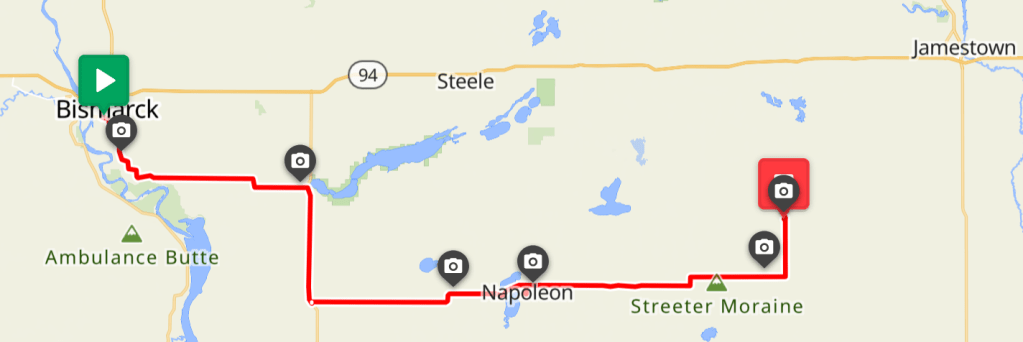
Interactive Map: Click on the map
Photos: at the bottom of the page
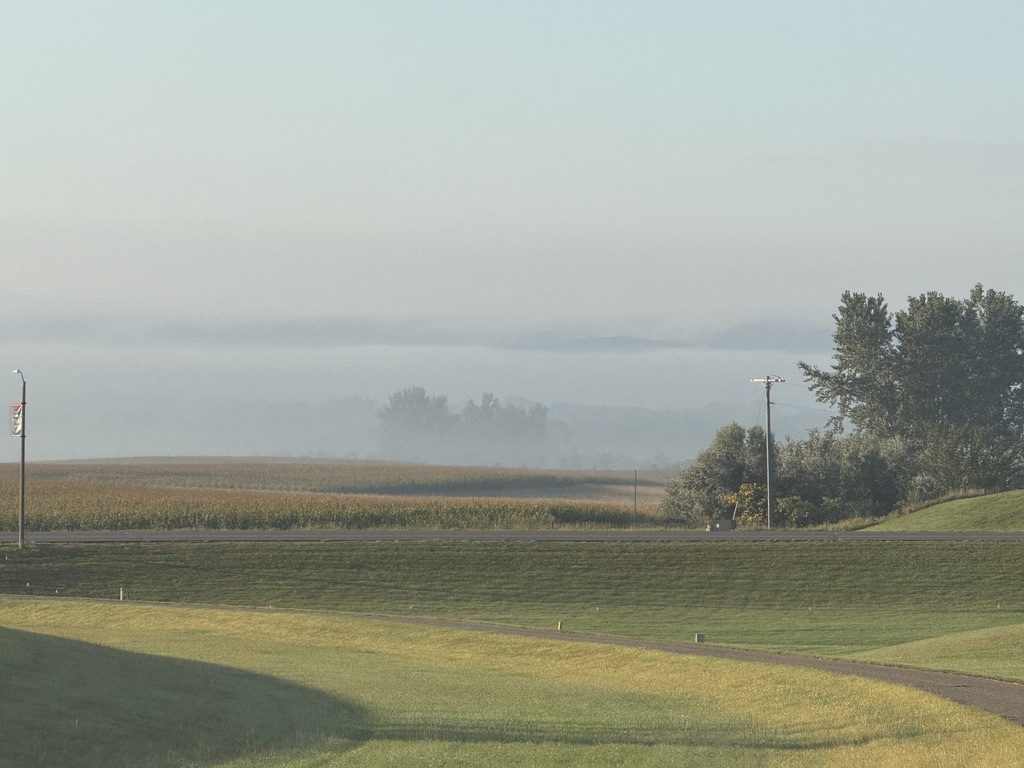
The morning was foggy. Luckly, there was no traffic. There was a nice trail, part of the Bismarck Trail System, along University Drive out of the city southeastwards.
My original routes through ND were to Jamestown and Fargo along I-94, and then turn south to Fergus Falls, MN. I decided to take a short cut and go to Fergus Falls directly. This required me to go through a very remote areas with few towns far apart from each other. Peter went through this and gave me some advice.
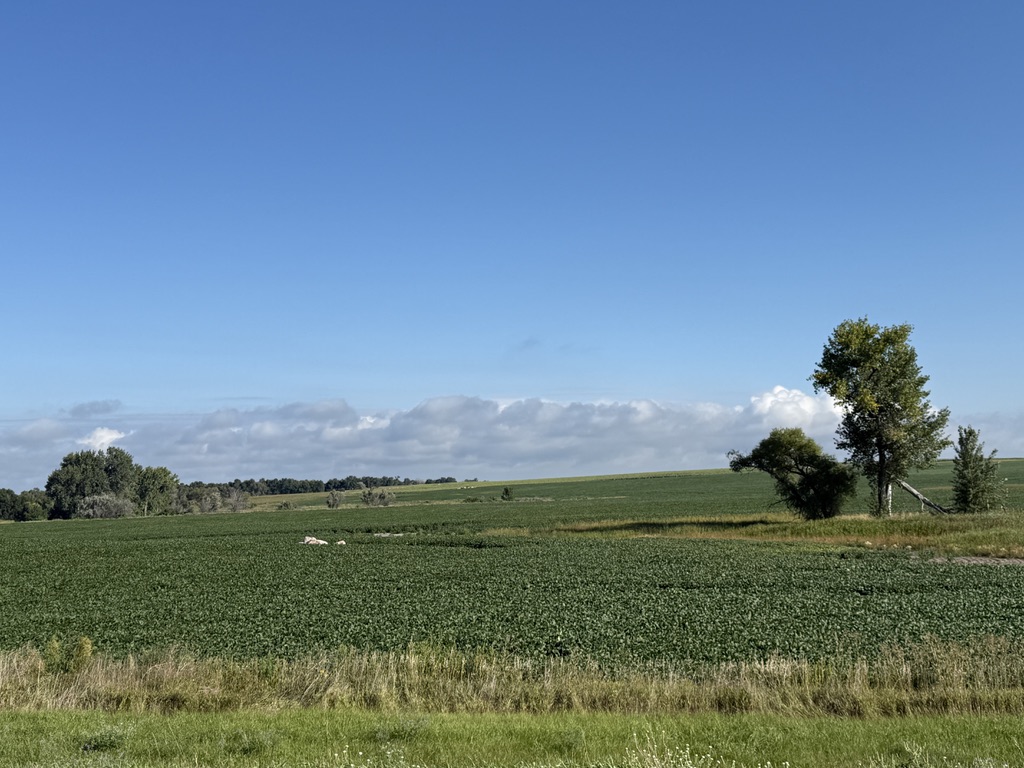
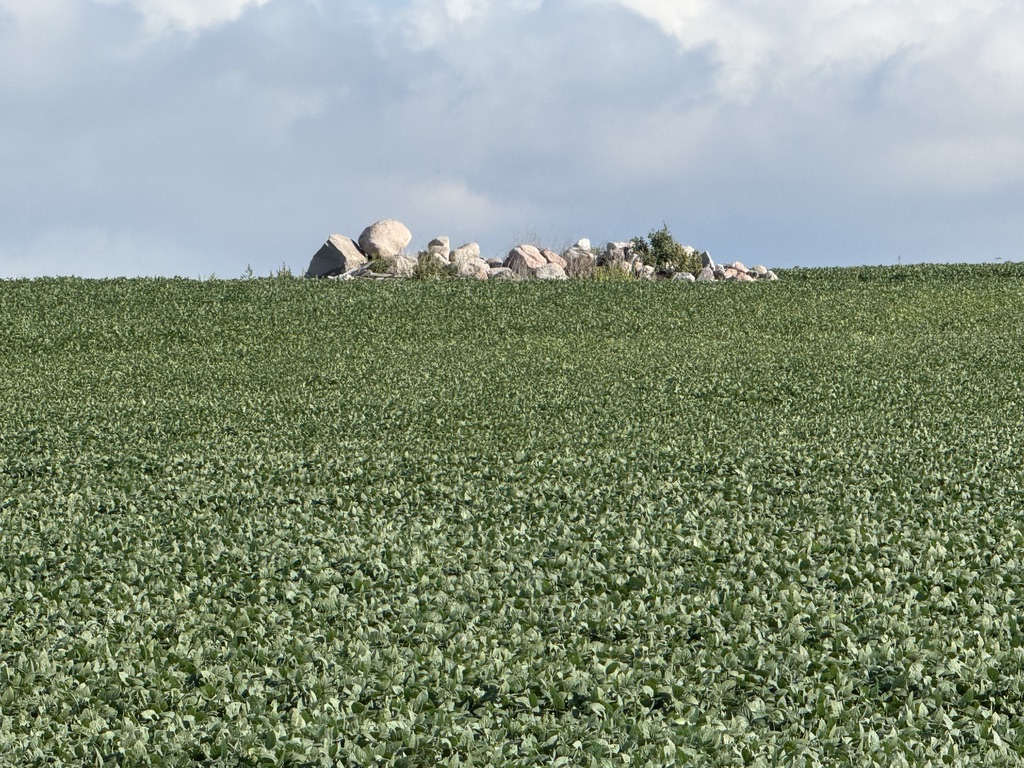
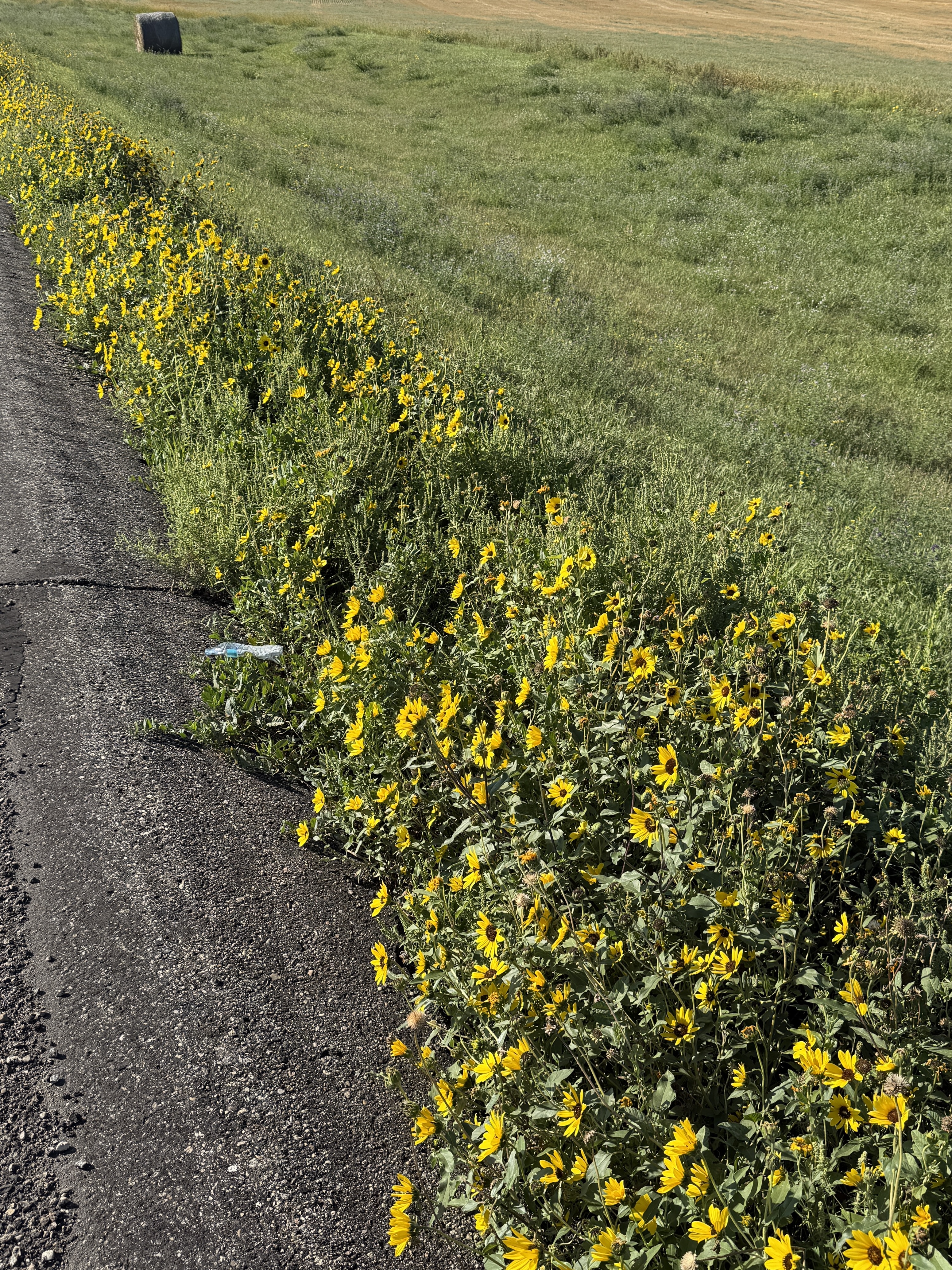
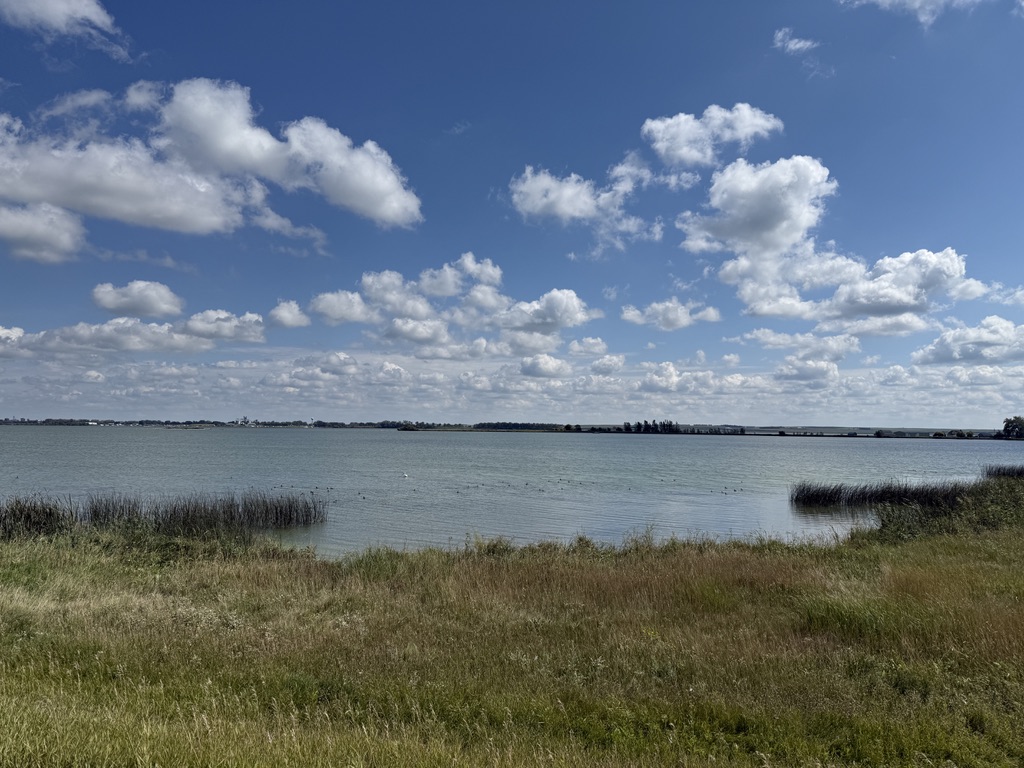
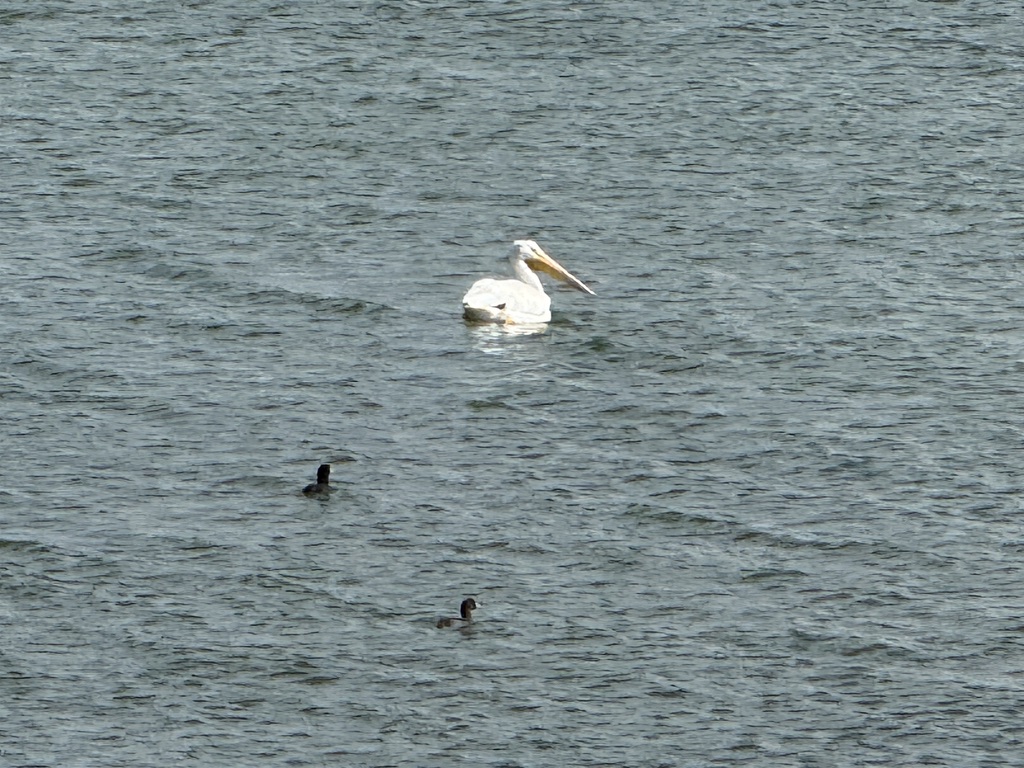
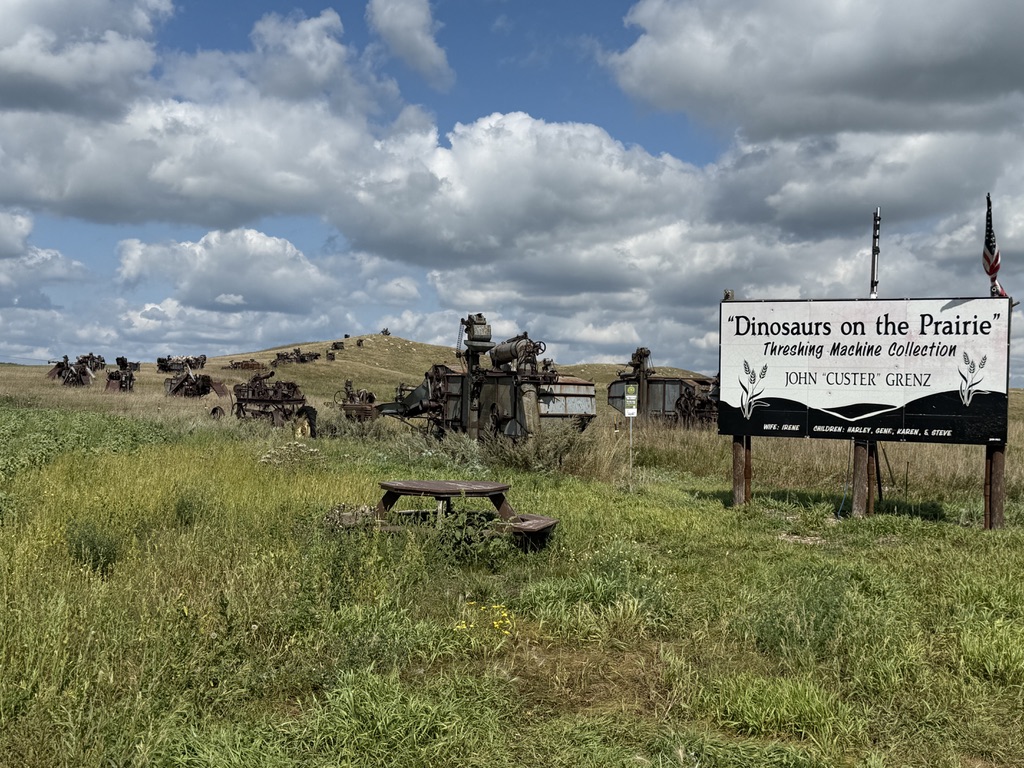
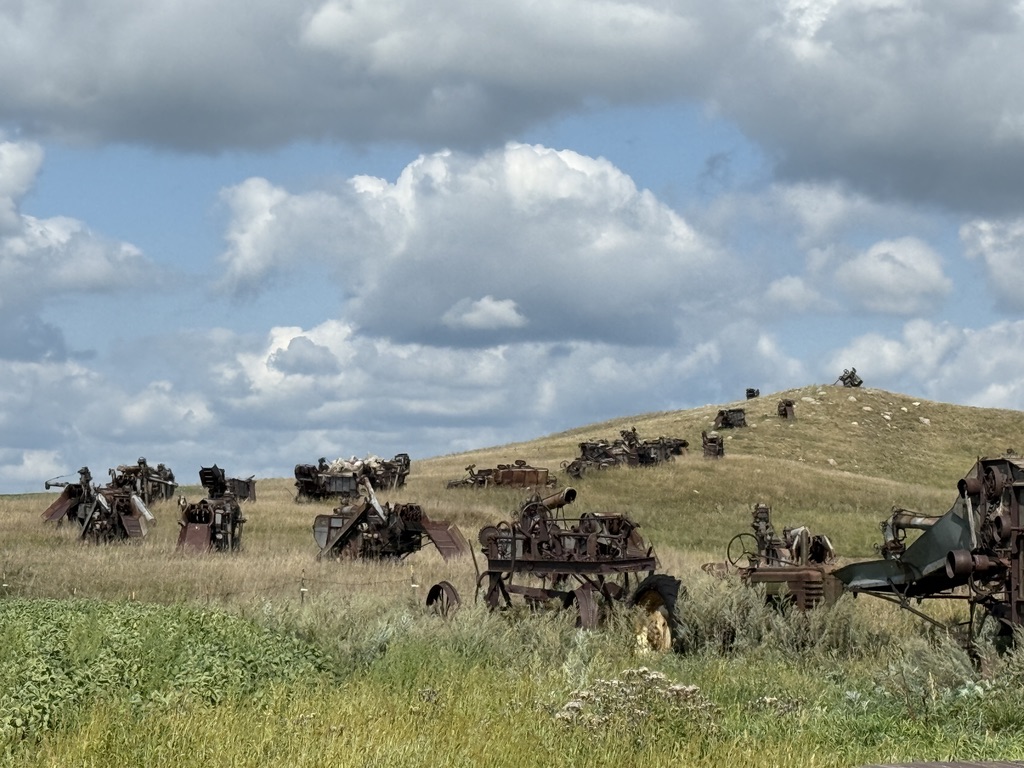
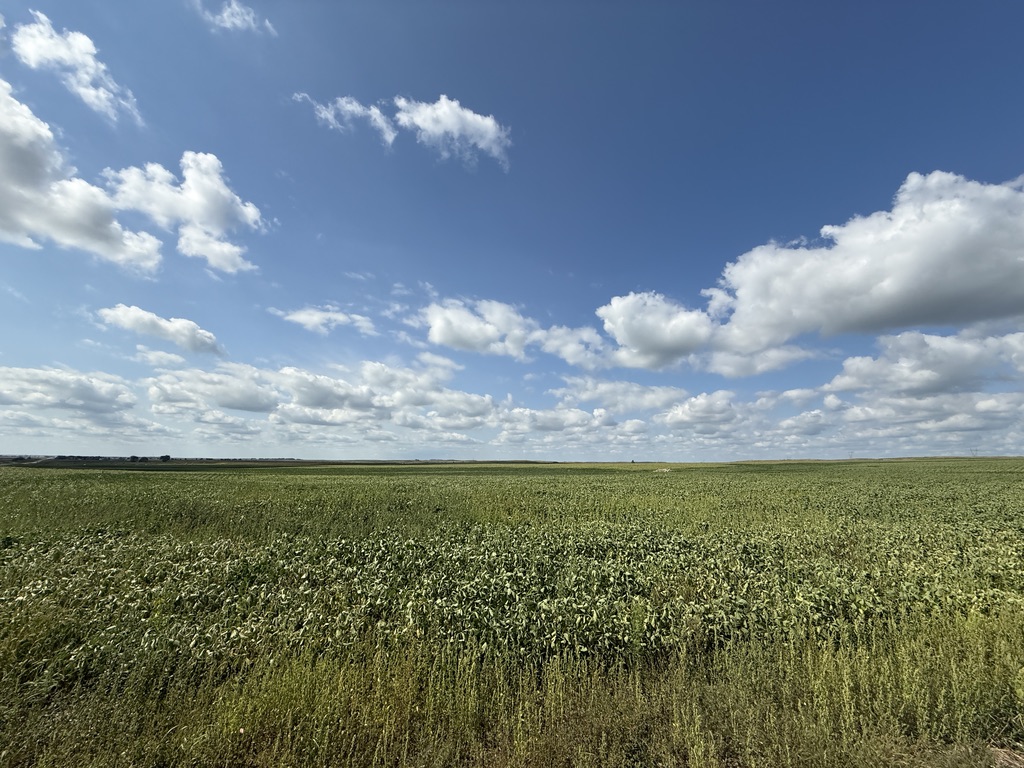
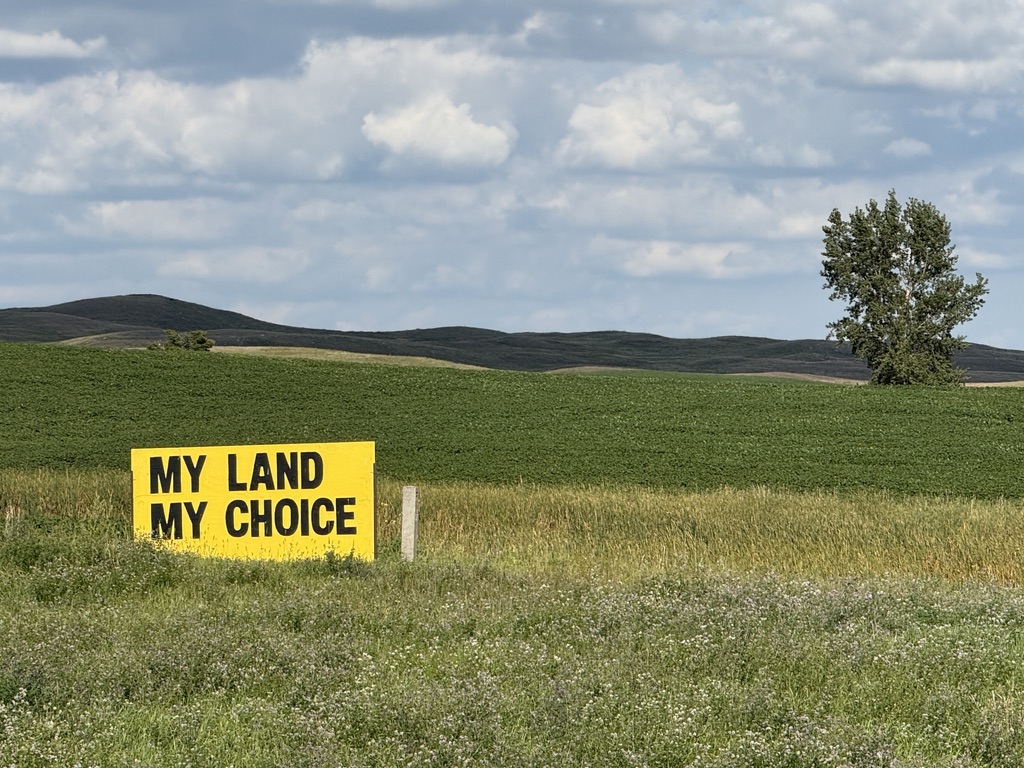
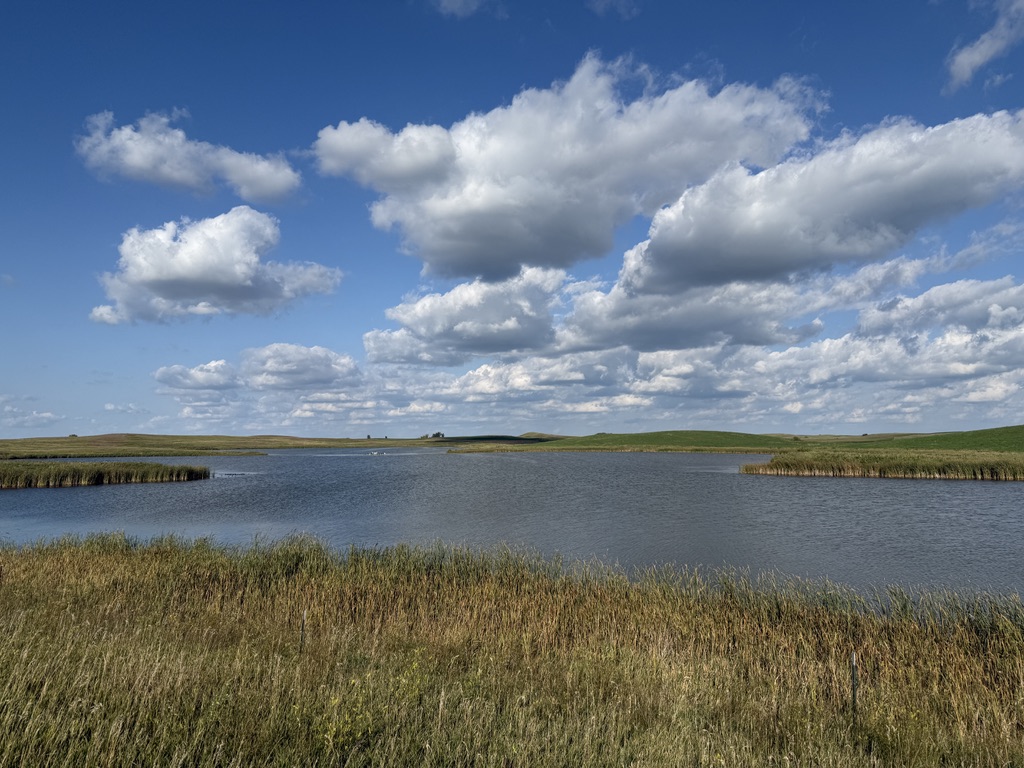
The roadside yellow flowers had been a staunch scene on my ride. Rocks in farm fields would damage machines. Farmers collect them and pile them up, which makes nice contrast to the surrounding crops. The roads went through a series of lakes, which were a nice change of sceneries for me. “Minnesota must not be far” I said to myself. Someone lined up rusty threshing machines along a hill next to US 34 and call it “Dinosaurs on the Prairie”. I saw a big sign “my land, my choice”. Later I was told that oil companies lobbied the government to put underground pipelines through farmlands under the law of eminent domain. Some farmers didn’t like it.
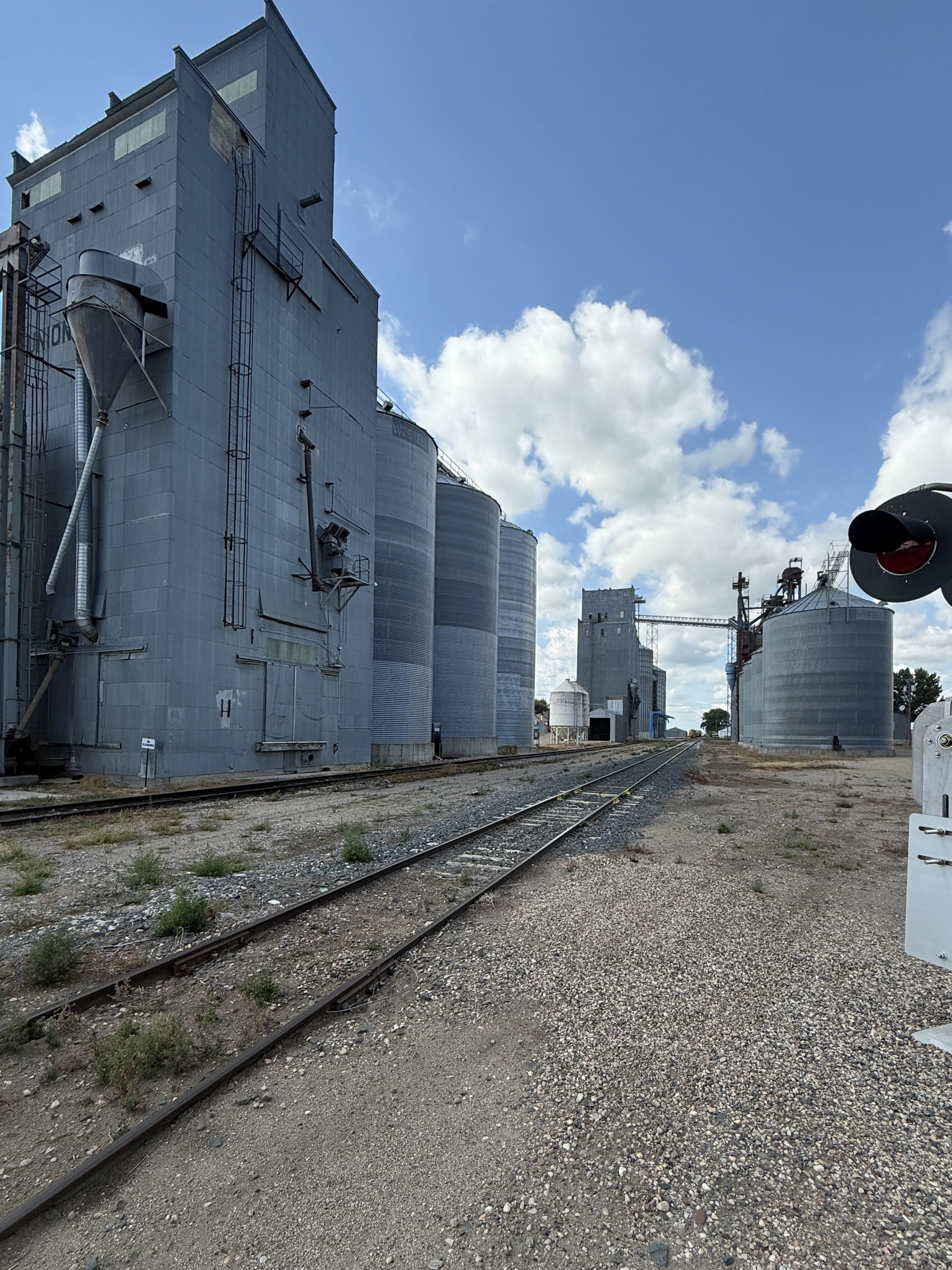
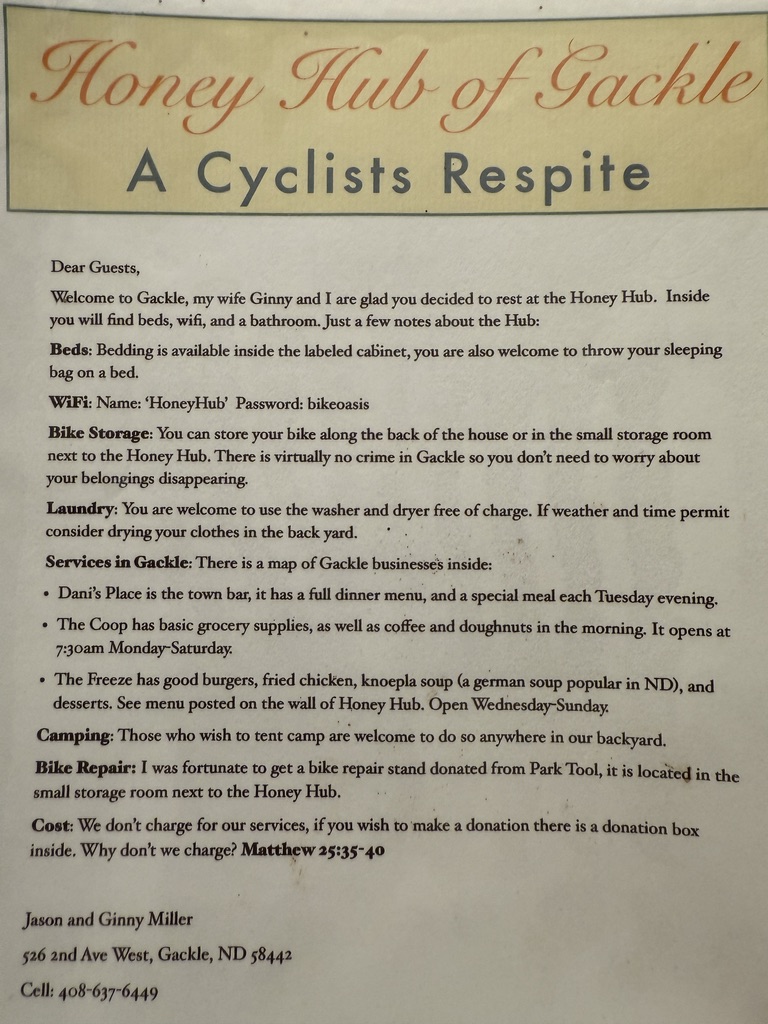
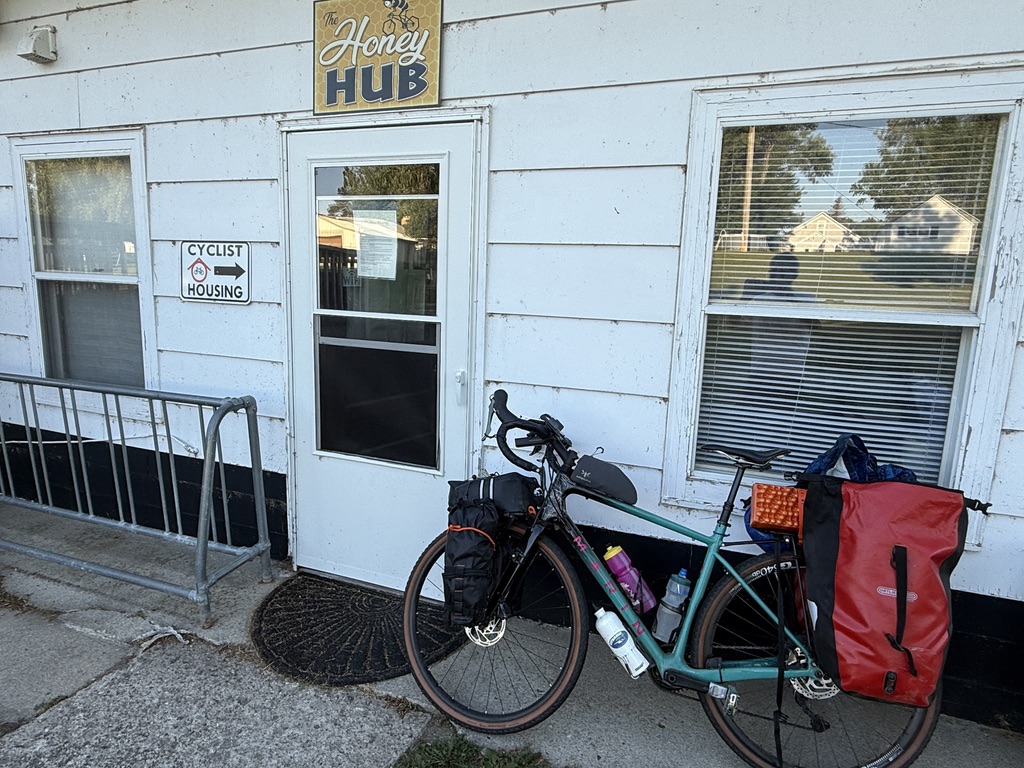
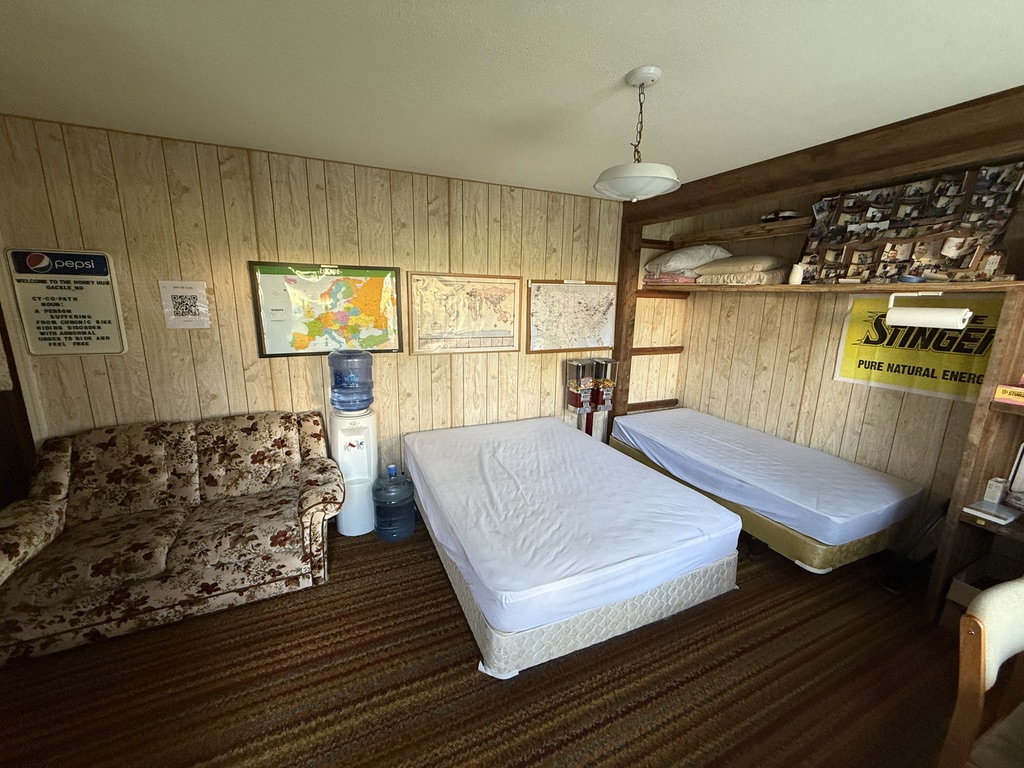
At Gackle, I stayed at the Miller Honey Hub Bike Oasis, a hostel specifically for cross-continent riders. It’s a cycling oasis because it’s in the middle of nowhere, no lodging option for 77 miles to the east. Inside, there were beds, a hot shower, a microwave, a coffee maker, energy bars, a fridge with cold drinks, apples and yogurt, and even a spare tire. No reservation needed (show up and walk in) and there was no charge! — Matthew 25:35-40 according to the welcome notes.
Jason, the host, came to greet and welcome me as I was cooking dinner at the table in the back yard and came back the next morning when I was loading my bike. Among other things we chatted, I asked him about the dying American bees. He operates a bee farm. He said the main problem was not pesticides (although I saw signs throughout ND “No spread zone” with bee images on them). Besides diseases, the biggest problem was the practice by big agricultural corporations. They grew single crops and they removed all weeds (bees love weed flowers). Here the bees are for honey. He negotiates with farmers to put his hives on their land and shares harvested honey with them. In CA and WA, bees are mainly for pollination. Farmers pay beekeepers to put hives on their land.
Hason drives an e-truck.

 Chidong Zhang's WA2MA Bike Trip